Five Essential Skills for Overnight Hiking in Yellowstone
Yellowstone National Park presents a unique environment for overnight hiking, where vast backcountry terrain, wildlife, and variable weather combine to create both opportunity and complexity. Preparing for such an experience involves more than packing gear; it requires developing a set of practical skills that support safe and responsible travel. Understanding these skills beforehand can help hikers approach the backcountry with greater awareness and confidence.
The following five areas represent foundational knowledge for anyone planning an overnight trip in Yellowstone. Each skill addresses a specific aspect of backcountry travel, from finding one’s way across unmarked terrain to coexisting with large mammals and managing water needs. By examining these topics in detail, hikers can build a practical framework for their journey.
Navigation Skills for Variable Terrain
Yellowstone’s backcountry includes trails that may be faint, unmarked, or obscured by snow and vegetation. Relying solely on a mobile device or GPS unit can be problematic when batteries drain or signals are lost. For this reason, proficiency with a topographic map and a compass remains a core skill. Understanding how to read contour lines, identify terrain features, and orient a map to the landscape enables a hiker to maintain situational awareness even when technology falters.
Practicing these skills before the trip—for instance, by navigating short sections of familiar trails—can build muscle memory and reduce the likelihood of becoming disoriented. Additionally, carrying a paper map as a backup and marking waypoints on a GPS device can provide multiple layers of reference. It is also helpful to study the route ahead of time, noting potential landmarks such as ridges, rivers, or distinctive rock formations. In an environment where weather can reduce visibility rapidly, having a solid grasp of navigation techniques is a practical layer of preparation.
Bear Safety Practices
Yellowstone is home to both grizzly and black bears, and encounters are possible in many parts of the park. Rather than focusing on avoidance alone, understanding proper protocols can support safe interactions. Carrying bear spray in an accessible holster, not inside a backpack, is a widely recommended precaution. Knowing how to deploy it—removing the safety clip and aiming slightly downward—can make it effective if needed. However, bear spray is not a guarantee; situational awareness remains essential.
Food storage is another critical component. Hikers must use bear-resistant canisters or approved food storage boxes to keep all scented items away from campsites. Cooking and eating at least 100 yards from the sleeping area reduces the chance of attracting animals overnight. Making noise while hiking, especially in dense vegetation or around blind corners, alerts bears to human presence and decreases the chance of surprising them. These practices, when combined with knowledge of bear behavior, contribute to a more predictable environment for both people and wildlife.
Water Filtration and Purification Techniques
Streams, lakes, and rivers in Yellowstone may look clear, but they can contain microscopic organisms such as Giardia, Cryptosporidium, and bacteria. Drinking untreated water can lead to gastrointestinal illness that would severely impact a backcountry trip. Therefore, treating all water from natural sources is a necessary step. Several methods exist, each with different advantages.
Portable water filters that remove protozoa and bacteria are common and relatively easy to use. Some models also include a carbon stage to improve taste. Ultraviolet light devices can neutralize viruses and other pathogens, though they require batteries and clear water for effectiveness. Chemical treatments—such as iodine or chlorine dioxide tablets—are lightweight and reliable, but they require adequate contact time, especially in cold water. Boiling water for at least one minute (or three minutes at higher elevations) is a fail‑safe method, though it consumes fuel and time. Selecting a method that fits the trip’s duration and group size, and carrying a backup option, can help ensure safe hydration throughout the hike.
Tent Setup and Campsite Selection
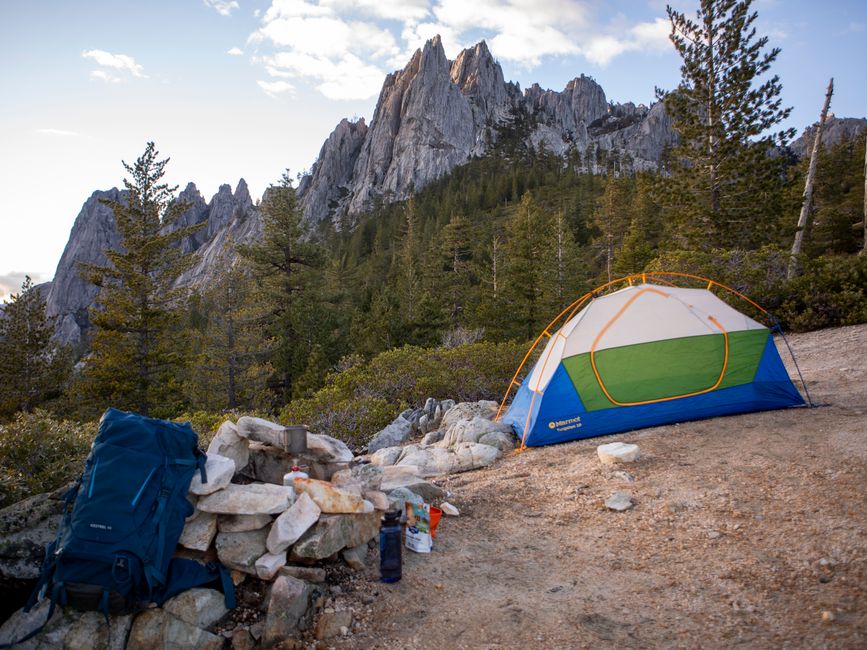
A well‑chosen campsite and a properly pitched tent can significantly affect comfort and safety during an overnight stay. In Yellowstone, regulations often require camping at designated backcountry sites, but within those sites, hikers can still select a specific spot. Looking for level ground, away from dead trees or overhanging branches, reduces the risk of falling debris. Setting up at least 200 feet from water sources helps protect riparian areas and complies with park rules.
When pitching a tent, orienting it so that the narrowest end faces the prevailing wind can improve stability. Using a ground cloth underneath prevents moisture from seeping through the floor and reduces wear. Staking the tent securely, even if the weather seems calm, is advisable because conditions can change quickly in the mountains. Checking the forecast before departure and packing a rain fly are routine preparations. These steps, while simple, contribute to a more restful night and allow the hiker to recover effectively for the next day.
Leave No Trace Principles in Practice
Minimizing human impact is a shared responsibility in protected areas like Yellowstone. The Leave No Trace framework offers guidelines that help preserve the ecosystem and maintain the experience for others. Packing out all trash, including food scraps and toilet paper, is fundamental. Even biodegradable items can take a long time to decompose in arid or cold environments and may attract wildlife.
Choosing to cook and wash dishes away from water sources prevents contamination. When nature calls, digging a small cathole at least six inches deep and 200 feet from water and trails is a common practice. Respecting wildlife by observing from a distance and not feeding animals is also part of this approach. Campfires are restricted or prohibited in many backcountry zones; using a camp stove instead is a reliable alternative. Each of these actions, taken individually, might seem small, but collectively they help maintain the integrity of Yellowstone’s backcountry for years to come.