Top Five Eco-Lodges in Costa Rica for First-Time Visitors
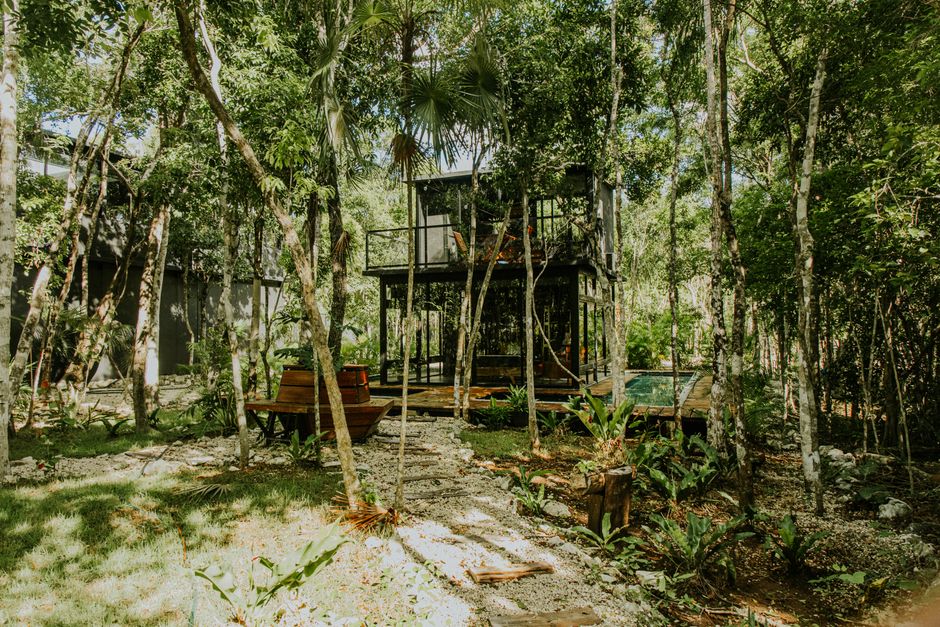
Costa Rica has long been recognized as a destination where ecological awareness and hospitality intersect. For travelers visiting the country for the first time, selecting accommodations that align with environmental values can be an important part of the journey. Several lodges across the country integrate renewable energy systems, grow their own organic produce, and participate in local conservation initiatives. These establishments offer varying levels of comfort and pricing, making it possible for different types of visitors to find an option that suits their preferences.
The following overview presents five eco-lodges that demonstrate distinct approaches to sustainability. Each property emphasizes different methods—from solar panel installations and water recycling programs to permaculture gardens and reforestation efforts. The information provided is based on publicly available practices and does not constitute an endorsement. Factors such as location, seasonality, and individual guest expectations can influence the overall experience.
Sol y Sombra Eco-Lodge
Located near the Arenal Volcano National Park, Sol y Sombra Eco-Lodge offers a budget-friendly entry point for travelers interested in sustainable tourism. The lodge operates entirely on solar power, with photovoltaic panels covering the main buildings and guest cabins. Energy storage systems allow for consistent electricity supply even during cloudy periods. The property includes an organic garden where herbs, vegetables, and some fruits are grown for use in the communal kitchen. Leftover plant matter is composted and returned to the soil, reducing waste and supporting soil health.
In addition to its own food production, the lodge collaborates with a nearby reforestation project that focuses on native tree species. Guests may participate in tree-planting activities if they wish, but such participation is entirely optional. The lodge also hosts informal evening discussions about local flora and fauna, led by staff members who have received training in ecological interpretation. Room rates remain among the lower range for eco-lodges in the region, making this option accessible for first-time visitors on a tighter travel budget.
Río Verde Mountain Retreat
Set in the highlands of the Talamanca region, Río Verde Mountain Retreat combines solar energy use with a comprehensive water management system. The retreat harvests rainwater from roof catchments and filters it for drinking and bathing. Greywater from sinks and showers is directed into a constructed wetland where aquatic plants help purify the water before it is released into a protected stream. This closed-loop approach reduces the lodge’s demand on local water resources and supports the health of the surrounding watershed.
Food at Río Verde comes primarily from on-site terraced gardens and a small greenhouse. The lodge grows staples such as beans, corn, and a variety of greens, supplementing with local market purchases only when necessary. The property also maintains a small avocado orchard and a coffee grove, with beans roasted on-site for guest consumption. Conservation efforts include a partnership with a community-led organization that monitors jaguar populations in nearby forests. Guests are informed about these projects through informational materials and optional guided walks. The retreat is positioned in the mid-range price category, offering a balance between comfort and ecological integration.
Bosque Mariposa Eco-Resort
Bosque Mariposa Eco-Resort, situated along the southern Pacific coast, represents a higher-end option that still emphasizes sustainable operations. The resort’s energy needs are met through a combination of solar panels and micro-hydropower generated from a small stream on the property. Excess energy is fed into a battery bank, ensuring uninterrupted power for air conditioning and kitchen equipment. The resort also operates an organic farm that supplies a significant portion of the ingredients used in its restaurant. Crops include tropical fruits, leafy greens, and culinary herbs, with yields adjusted according to seasonal availability.
Conservation initiatives at Bosque Mariposa include a sea turtle protection program that involves monitoring nesting beaches and relocating eggs to protected hatcheries when necessary. The resort employs local staff to carry out these activities and provides educational sessions for interested guests. The buildings incorporate locally sourced materials such as bamboo and reclaimed wood, reducing the carbon footprint associated with transportation. While prices reflect the resort’s luxury amenities, the management emphasizes that sustainability investments are part of the overall operational model. First-time visitors who seek a pampered experience with minimal environmental trade-offs may find this option appealing.
Finca Luna Nueva Agroecological Lodge
Finca Luna Nueva Agroecological Lodge, located in the northern lowlands near the San Carlos region, centers its operations around permaculture principles. The lodge grows the majority of its own food on a 40-hectare farm that includes vegetable beds, fruit orchards, and a small rice paddy. Solar panels provide electricity for the main lodge and staff housing, while a biogas digester converts kitchen waste into cooking fuel. The farm also raises chickens for eggs and maintains beehives for pollination and honey production, creating a diversified agroecosystem.
The lodge actively participates in a regional conservation corridor that connects fragmented forest patches, allowing wildlife such as howler monkeys and toucans to move between habitats. Guests can join guided farm tours that explain the interconnections between soil health, water cycles, and food production. No synthetic pesticides or fertilizers are used on the property, and the lodge regularly hosts workshops for local farmers interested in organic methods. Room rates fall in the mid-range category, with discounts available for longer stays. For first-time visitors interested in learning about integrated agricultural systems, this lodge provides a hands-on context.
Costa Serena Eco-Luxury Compound
Costa Serena, located on the Nicoya Peninsula, occupies a stretch of coastline known for its biodiversity and scenic beaches. This property operates as a luxury compound where sustainability is woven into multiple facets of the guest experience. A large solar array coupled with wind turbines supplies nearly all electricity, and a reverse osmosis system processes seawater for freshwater use. The compound includes several modular villas built with recycled materials and designed for natural ventilation, reducing the need for mechanical cooling.
The on-site farm features raised beds, a greenhouse, and a chicken coop, providing ingredients for the gourmet restaurant. Surplus produce is distributed to local schools as part of a community nutrition program. Costa Serena also funds a conservation initiative that monitors nesting leatherback turtles and supports reforestation of mangrove ecosystems along the coast. Guests can engage in these efforts through volunteer hours or simply by staying at the property, as a portion of each booking is allocated to the conservation fund. This lodge represents the high end of the price spectrum, catering to visitors who prioritize both luxury and a measurable contribution to environmental stewardship.